




Edition: BP 2025 (Ph. Eur. 11.6 update)
(Ph. Eur. monograph 0344)
Action and use
Excipient.
When Starch is specified and the type is not indicated, Maize Starch, Potato Starch, Rice Starch, Wheat Starch or, in tropical countries where these are not available, Tapioca Starch may be supplied or used.
Ph Eur
DEFINITION
Maize starch is obtained from the caryopsis of Zea mays L.
CHARACTERS
Appearance
Matt, white to slightly yellowish, very fine powder that creaks when pressed between the fingers.
Solubility
Practically insoluble in cold water and in ethanol (96 per cent).
The presence of granules with cracks or irregularities on the edge is exceptional.♦
IDENTIFICATION
A. Microscopic examination (2.8.23), using a 50 per cent V/V solution of glycerol R. It appears as either angular polyhedral granules of irregular sizes with diameters ranging from about 2 μm to about 23 μm or as rounded or spheroidal granules of irregular sizes with diameters ranging from about 25 μm to about 35 μm (Figure 0344.-1). The central hilum consists of a distinct cavity or 2- to 5-rayed cleft and there are no concentric striations. Between orthogonally orientated polarising plates or prisms, the starch granules show a distinct black cross intersecting at the hilum.
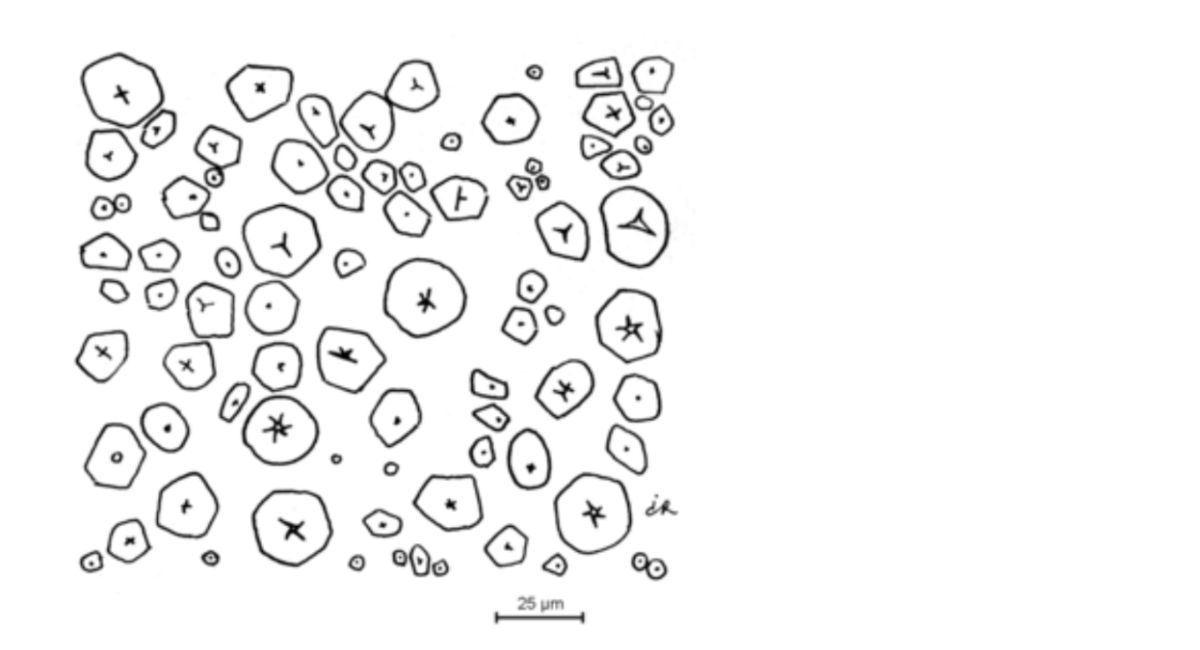
Figure 0344.-1. – Illustration for identification test A of maize starch
B. Suspend 1 g in 50 mL of water R, boil for 1 min and cool. A thin, cloudy mucilage is formed.
C. To 1 mL of the mucilage obtained in identification test B add 0.05 mL of iodine solution R1. An orange- red to dark blue colour is produced, which disappears on heating.
TESTS
pH (2.2.3)
4.0 to 7.0.
To 5.0 g add 25.0 mL of carbon dioxide-free water R. Agitate continuously at a moderate rate for 60 s. Stop the agitation and allow to stand for 15 min.
Foreign matter
Examined under a microscope using a 50 per cent V/V solution of glycerol R, not more than traces of matter other than starch granules are present. No starch granules of any other origin are present.♢
Oxidising substances (2.5.30)
Maximum 20 ppm, calculated as H2O2.
Sulfur dioxide (2.5.29)
Maximum 50 ppm.
Iron (2.4.9)
Maximum 10 ppm.
Shake 1.5 g with 15 mL of dilute hydrochloric acid R. Filter. The filtrate complies with the test.
Loss on drying (2.2.32)
Maximum 15.0 per cent, determined on 1.000 g by drying in an oven at 130 °C for 90 min.
Sulfated ash (2.4.14)
Maximum 0.6 per cent, determined on 1.0 g.
Microbial contamination
TAMC: acceptance criterion 10 CFU/g (2.6.12).
TYMC: acceptance criterion 10 CFU/g (2.6.12).
Absence of Escherichia coli (2.6.13).
♢ Absence of Salmonella (2.6.13).♢


