



(Ph. Eur. monograph 2903)
DEFINITION
A mixture containing 1 per cent V/V of acetylene in Low-oxygen nitrogen (1685).
Content
0.95 per cent V/V to 1.05 per cent V/V of acetylene (C2H2) in nitrogen (N2).
This monograph applies to acetylene intermix (1 per cent) in nitrogen used in the preparation of lung function test gas mixtures for medicinal use.
PRODUCTION
The acetylene used in the manufacturing process is produced by hydrolysis of calcium carbide.
Prior to using the gas in the manufacturing process, the acetylene may be passed through an activated charcoal filter.
The acetylene is stored in cylinders, which may be filled with a porous mass with acetone the only solvent permitted.
CHARACTERS
Appearance
Colourless gas.
IDENTIFICATION
A. Examine the chromatograms obtained in the assay.
Results: The peak due to acetylene in the chromatogram obtained with the gas to be examined is similar in retention time and size to the peak due to acetylene in the chromatogram obtained with the reference gas.
B. Gas chromatography (2.2.28).
Gas to be examined: The substance to be examined.
Reference gas: Nitrogen R1.
Column:
— material: stainless steel;
— size: l = 2 m, Ø = 2 mm;
— stationary phase: molecular sieve for chromatography R (0.5 nm).
Carrier gas: helium for chromatography R.
Flow rate: 20 mL/min.
Temperature:
— column: 80 °C;
— detector: 130 °C.
Detection Thermal conductivity.
Injection 10 μL.
Retention time: Nitrogen = about 2 min.
Results: The principal peak in the chromatogram obtained with the gas to be examined is similar in retention time to the principal peak in the chromatogram obtained with the reference gas.
TESTS
Acetone
Gas chromatography (2.2.28).
Gas to be examined: The substance to be examined.
Reference gas: Mixture containing 250 ppm V/V of acetone R in nitrogen R.
Column:
— material: fused silica;
— size: l = 10 m, Ø = 0.53 mm;
— stationary phase: polyorganosiloxane for oxygen-containing compounds R (film thickness 10 μm).
Carrier gas: helium for chromatography R.
Flow rate: 50 mL/min.
Temperature:
— column: 200 °C;
— injection port: 240 °C;
— detector: 250 °C.
Detection Flame ionisation.
Injection 25 μL.
Retention time: Acetone = about 1 min.
Calculation of percentage content:
— use the concentration of acetone in the reference gas.
Limit:
— acetone: maximum 250 ppm V/V.
Arsine
Maximum 0.25 ppm V/V, determined using an arsine detector tube (2.1.6).
Phosphine
Maximum 0.2 ppm V/V, determined using a phosphine detector tube (2.1.6).
Hydrogen sulfide
Maximum 0.2 ppm V/V, determined using a hydrogen sulfide detector tube (2.1.6).
Water (2.5.28)
Maximum 10 ppm V/V.
ASSAY
Gas chromatography (2.2.28).
Gas to be examined: The substance to be examined.
Reference gas: Mixture containing 1.0 per cent V/V of acetylene R in nitrogen R1.
Column:
— material: stainless steel;
— size: l = 2 m, Ø = 2 mm;
— stationary phase: 3 per cent squalane R on alumina.
Carrier gas: helium for chromatography R.
Flow rate: 20 mL/min.
Temperature:
— column: 100 °C;
— detector: 250 °C.
Detection: Flame ionisation.
Injection: 100 μL.
Retention time: Acetylene = about 6 min.
Calculate the percentage content of C2H2.
STORAGE
As a compressed gas, in appropriate high-pressure cylinders complying with the legal regulations.
LABELLING
The label states the nominal content, in per cent V/V, of acetylene in nitrogen.
IMPURITIES
Specified impurities A, B, C, D, E.
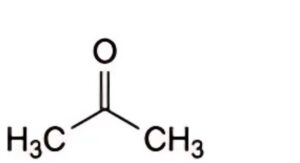
A. propan-2-one (acetone),
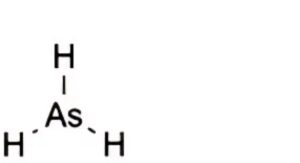
B. arsane (arsine),
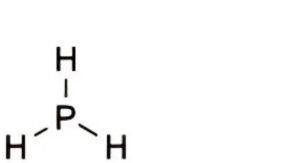
C. phosphane (phosphine),
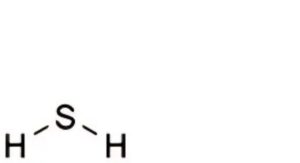
D. hydrogen sulfide,
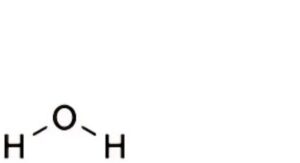
E. water.


